

Tesla Inc. shares surged as much as 4.9% on Monday, approaching a record high not seen since December 2024, after CEO Elon Musk confirmed the electric-vehicle (EV) maker is now testing robotaxis on public roads without safety monitors in the vehicle.
Credit:Tesla
The rally, which closed with shares up 3.6% at $475.31, reflects mounting investors’ optimism about Tesla’s autonomous driving ambitions, even though concerns about the company’s $1.5 trillion valuation are growing. Musk announced on X Sunday that testing is underway "with no occupants in the car" in Austin, Texas, marking a significant milestone for Tesla's limited robotaxi service launched in June.
The stock's climb positions Tesla just shy of its closing record of $479.86 set on December 17, 2024. Since hitting a low in early April amid market turmoil sparked by U.S. President Donald Trump's tariff policies, Tesla shares have more than doubled, underscoring Wall Street's willingness to bet on the company's AI and robotics strategy despite weakening core EV fundamentals.
"The market is cheering the progress, sending shares higher today," said Seth Goldstein, senior equity analyst at Morningstar. Tesla's current valuation, roughly twice that of 12 major global automakers combined, trades heavily on sentiment around its self-driving technology rather than its traditional vehicle business.
Robotaxi Testing Advances Without Safety Monitors
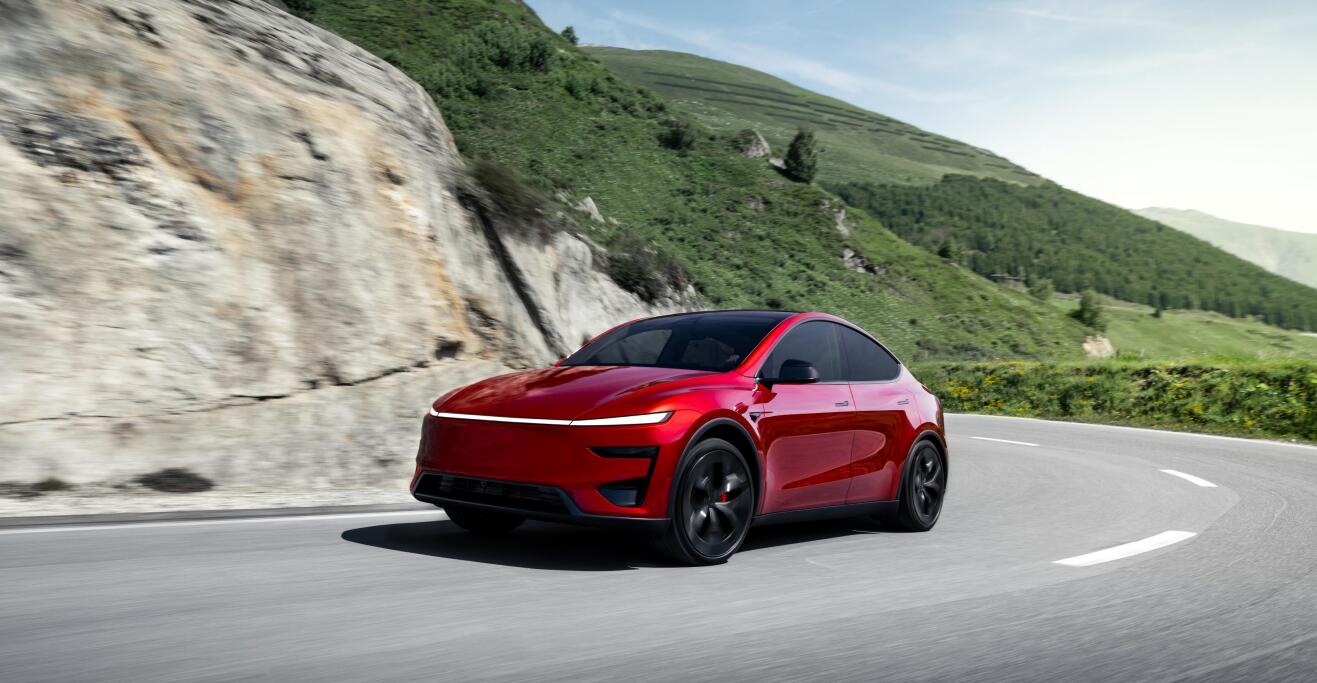
Tesla launched its limited robotaxi service in Austin in June using modified Model Y vehicles equipped with Full Self-Driving (FSD) technology. Early operations were geo-fenced and included a human "safety monitor" in the front passenger seat. Musk's latest announcement represents a crucial step toward fully autonomous operations.
"The news Tesla is testing robotaxis without the safety monitors is in line with our expectations that the company is making progress in its testing, in line with management's statements during the third quarter earnings call," Goldstein said. Tesla aims to expand operations to several cities in Florida, Nevada, Arizona and Texas by month's end, though regulatory hurdles remain significant across different states and municipalities.
Tesla also plans to launch its Cybercab model, a purpose-built robotaxi, next year. The company trails Alphabet's Waymo, which operates more than 2,500 commercial robotaxis across major U.S. cities and conducts about 450,000 paid rides weekly, according to CNBC.
Wall Street Split on AI Valuation Story
Tesla's valuation increasingly depends on its autonomous driving and robotics ambitions rather than vehicle sales. The company is on track to sell fewer cars in 2025 than in 2024, marking a second consecutive year of decline. Yet investor enthusiasm for its artificial intelligence (AI) potential has driven the stock up 14% this year.
"Tesla shares are trading as much on sentiment as they are on fundamentals, and the core business is playing second fiddle to the AI story that underpins the trillion-dollar valuation," said Matt Britzman, senior equity analyst at Hargreaves Lansdown.
Wedbush analyst Dan Ives, Tesla's most bullish advocate with a $600 price target valuing the company at roughly $2 trillion, sees potential for a $3 trillion valuaiton within a year. He projected that a federal framework for autonomous driving regulations could accelerate deployment, with Tesla′ s AI and robotics work worth "atleast" $1 trillion.
However, Wall Street remains divided. Only 40% of analysts rate Tesla stock as Buy, according to FactSet, below the S&P 500 average of 55%. The average price target sits at $400, below current trading levels, with targets ranging from $120 to $600.
"Tesla remains a retail investors' darling and, in my view, an example of irrational exuberance in an already overheated equity market," said Irene Tunkel, chief US equity strategist at BCA Research. "To my mind, Tesla is in bubble territory."
Analysts expect sales to slow significantly ahead, with Ford CEO Jim Farley predicting EVs will decline from 10% to 5% of the U.S. market as Trump's policies favor gas-powered vehicles. Investor Michael Burry criticized the stock as "overvalued" in a Substack post earlier this month.
Tesla's third-quarter results disappointed investors as rising costs undermined record vehicle sales driven by consumers rushing to capture the $7,500 federal EV tax credit before it expired in September.