

Artificial intelligence (AI) is poised to move beyond virtual content creation and into the physical world, where it will autonomously complete complex tasks, NVIDIA founder Jensen Huang said at CES 2026, highlighting what he called the next wave of “Physical AI.”
After the eras of deep learning and generative AI, Huang told the audience that AI will increasingly gain the ability to understand and interact with real environments. “The true value of AI will shift from generating virtual content to autonomously accomplishing complex tasks in the physical world,” he said.
The concept of Physical AI has already become a buzzword across the technology sector. Industry analysts suggest that by 2026, AI will be deeply embedded in real-world operations, prompting shifts in hardware design and reshaping business competition across multiple verticals. Based on current trends, experts predict six major development directions for Physical AI in 2026.
Trend 1: Robotaxis Move from Regional Pilots to Large-Scale Operations
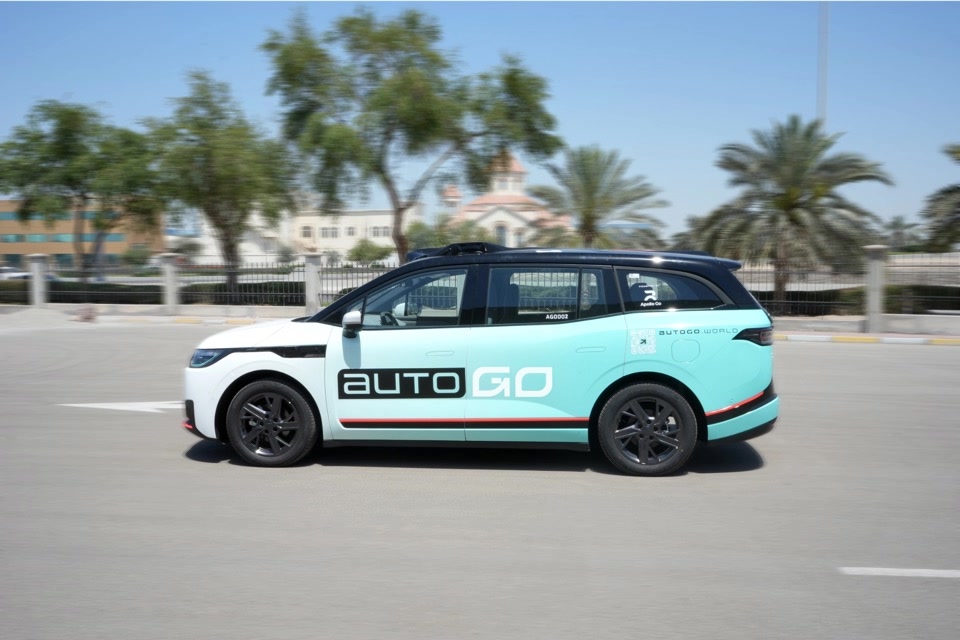
Image source: Apollo Go
The robotaxi market is entering a pivotal stage, moving from regional pilot programs toward large-scale commercial deployment. Falling costs for key hardware such as LiDAR sensors, coupled with advances in perception algorithms and computing power, are enabling vehicles to handle complex road conditions with greater reliability.
Regulatory support is also expanding. In China, the Ministry of Industry and Information Technology has approved production access for Level 3 autonomous vehicles, while U.S. authorities have permitted original vehicle designs without steering wheels.
Tesla and Baidu’s Apollo Go lead the global competition in this sector. Tesla’s Cybercab, an L4-level fully autonomous taxi, is scheduled for mass production in April 2026, with an annual target of two million units. Tesla aims to deploy Cybercab as part of its robotaxi fleet, targeting operating costs of approximately $0.20 per kilometer, below current ride-hailing services.
Apollo Go, operating in China, has already completed over 17 million driverless trips, with weekly orders exceeding 250,000 and a safety record showing one airbag deployment per 10.14 million kilometers without serious injuries or fatalities. By 2026, Apollo Go plans to expand internationally, beginning with Dubai, where it obtained the first fully driverless testing permit and is establishing an overseas operations base with a target of over 1,000 vehicles.
Trend 2: Humanoid Robot Shipments Double Amid Industry Shakeout
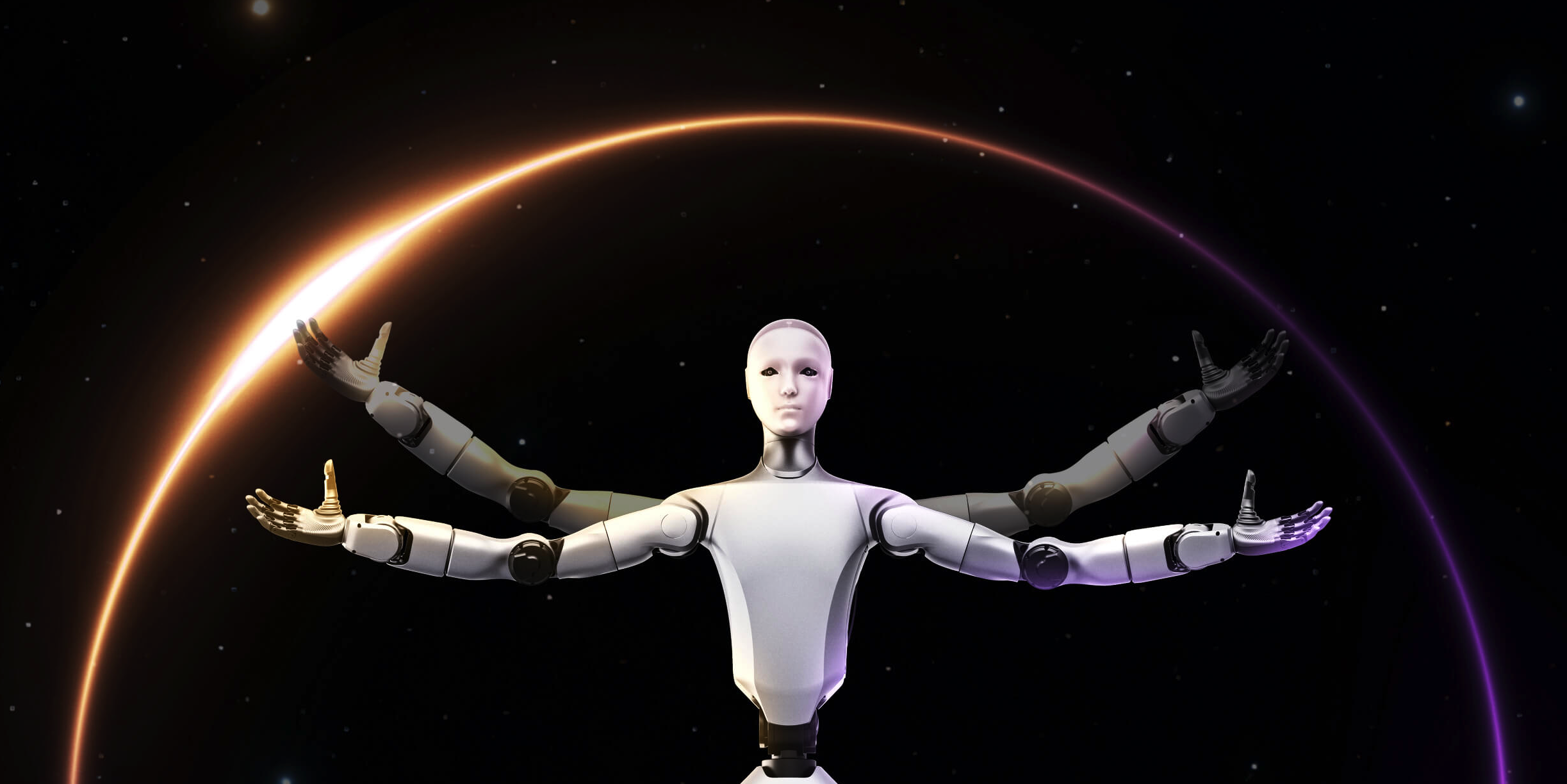
Image source: Unitree Robotics
Data from Omdia show that in 2025, Zhiyuan, Unitree Robotics, and UBTECH were the leading global humanoid robot manufacturers, shipping 5,168, 4,200, and 1,000 units, respectively.
The next year is expected to see a surge in shipments as advanced VLA models enhance performance capabilities. Humanoid robot rental services are also projected to grow, potentially doubling year-on-year shipments for top companies. Several robotics firms, including Unitree Robotics, Leju Robotics, and Galaxy General, are preparing for IPOs in 2026, signaling a wave of secondary market activity.
However, the industry shakeout is underway. Smaller companies lacking comprehensive evolutionary capabilities or stuck at the demonstration stage may struggle to secure funding and could be forced out of the market as leading players scale up.
Trend 3: AI Agents Integrate Deeply with the Real World

Image source: Doubao Phone
By 2026, AI Agents will evolve from simple question-and-answer bots into fully capable personal assistants capable of orchestrating complex, real-world tasks. Users may no longer need to navigate specific apps; AI Agents will handle activities like ordering meals, booking rides, or purchasing tickets based on natural language commands.
This shift will intensify competition between device manufacturers and app developers over user data and ecosystem control. Companies like Alibaba are already leveraging their Qianwen AI Agent to integrate services across Amap, Taobao, and Fliggy. Device makers will need to balance intelligence, data permissions, and security standards as AI Agents gain autonomy across applications.
Trend 4: New Wearable Devices Transform Everyday Life
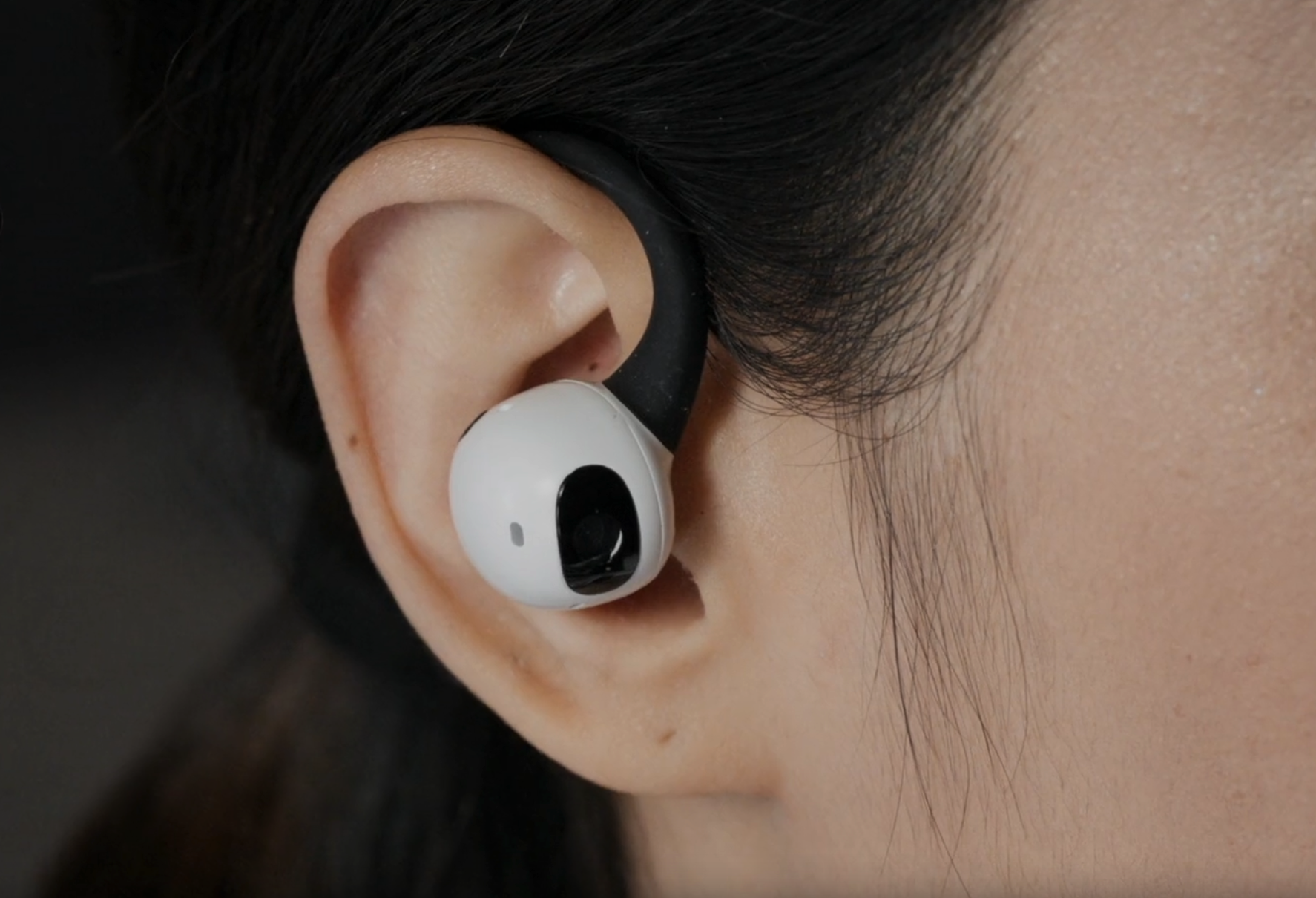
Image source: Guangfan Technology
The wearable device sector is expected to undergo significant transformation in 2026, with AI deeply integrated into devices designed for health, interaction, and companionship. Instead of all-in-one gadgets, new wearables will focus on specialized, scenario-driven experiences.
LightSail Technology has introduced AI earphones with visual perception capabilities, allowing devices to autonomously manage high-frequency tasks such as schedule organization, booking flights or hotels, and ride-hailing. Other innovations include smart rings monitoring ECG and sleep apnea, and emotion-sensing pendants using millimeter-wave radar to detect emotional changes without direct skin contact.
By 2026, AI is projected to become a fundamental layer of wearables, operating in the background like electricity rather than as a feature users must actively acknowledge.
Trend 5: AI Toys Prioritize Empathy and Companionship
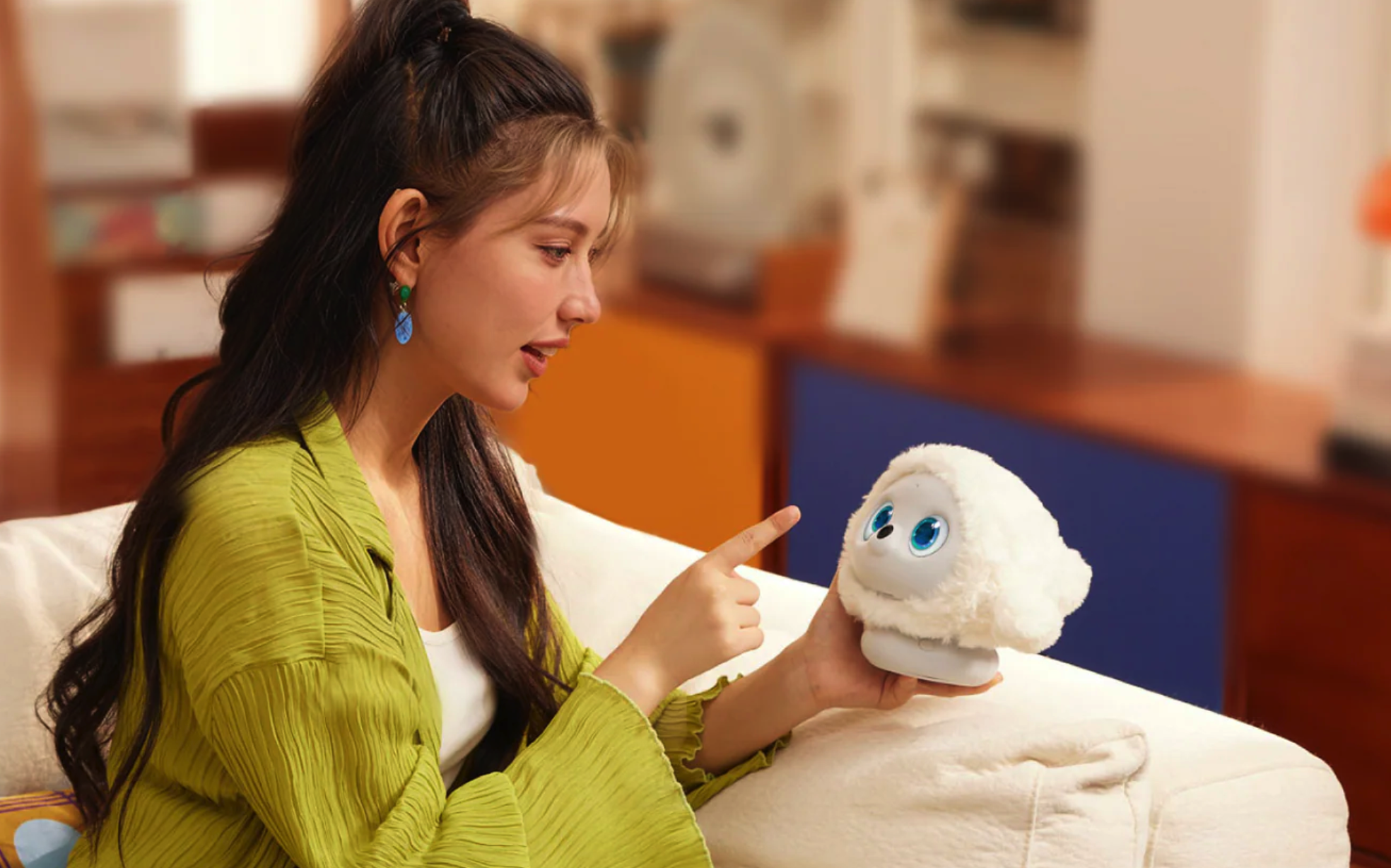
Image source: Ropet
AI-enabled toys are evolving beyond simple chatter, using multimodal technologies like 3D spatial modeling and tactile sensing to understand human behaviors and emotional states. Edge-side AI chips allow these toys to process data locally, retain long-term memory, and adapt interactions dynamically, improving both response time and privacy.
Affective computing advancements enable toys to respond appropriately to user emotions—comforting children when sad, celebrating achievements, and developing personalized “personality cultivation” systems. Chinese manufacturers are expected to contribute over 60% of innovation in the 2026 AI toy market. Concurrently, industry consolidation is anticipated as companies without intellectual property or full-chain capabilities exit the sector.
Trend 6: Embodied Intelligence Expands in Cleaning Appliances
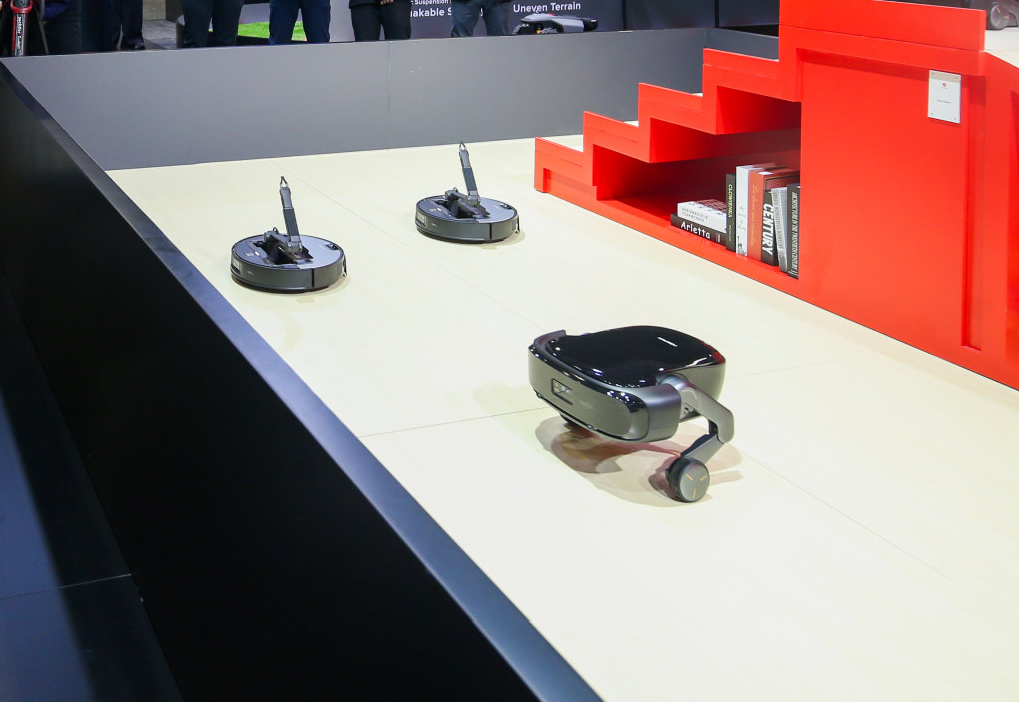
Image source: Roborock
The cleaning appliance sector, long dominated by products with limited differentiation, is embracing embodied intelligence. Devices can now perceive and adapt to their environment, moving beyond basic command execution.
Legged-and-wheeled robots, mimicking human gait, can climb stairs, cross thresholds, and navigate three-dimensional home environments. Bionic robotic arms provide dexterous “hands” for picking up debris, wiping surfaces, and even interacting with pets. Outdoor applications, including lawn-mowing and pool-cleaning robots, are also incorporating AI perception and manipulation capabilities.
Chinese brands continue to lead the market, holding the top five global positions in robotic vacuum shipments for the first three quarters of 2025, accounting for 65.7% of the market. Domestic market concentration remains high, with the top five Chinese manufacturers commanding 89.2% of sales.
Analysts note that the transition to Physical AI represents not just a technological shift but a structural one, redefining the competitive landscape across robotics, wearables, AI agents, and smart appliances. Companies capable of integrating hardware, software, and AI intelligence into a coherent ecosystem are expected to dominate, while others risk obsolescence.
The next wave of AI is expected to blend virtual and physical capabilities, delivering services that are autonomous, adaptive, and deeply integrated into human environments. As Huang emphasized at CES, the value of AI will increasingly be measured by its ability to perform complex tasks in the real world, rather than simply generating content in digital space.
“The era of Physical AI has begun,” Huang said. “The future belongs to machines that can understand, adapt, and act within the physical world, autonomously and safely, to make human life more efficient and productive.”