

AsianFin -- NIO Inc.'s American depositary receipts (ADRs) dropped 4.4% to close at $5.50 on Tuesday, despite the Chinese electric vehicle (EV) maker reporting a narrower-than-expected third-quarter loss and improved margins. The decline came as investors weighed the company's revenue shortfall against stronger profitability metrics and record-high fourth-quarter guidance.
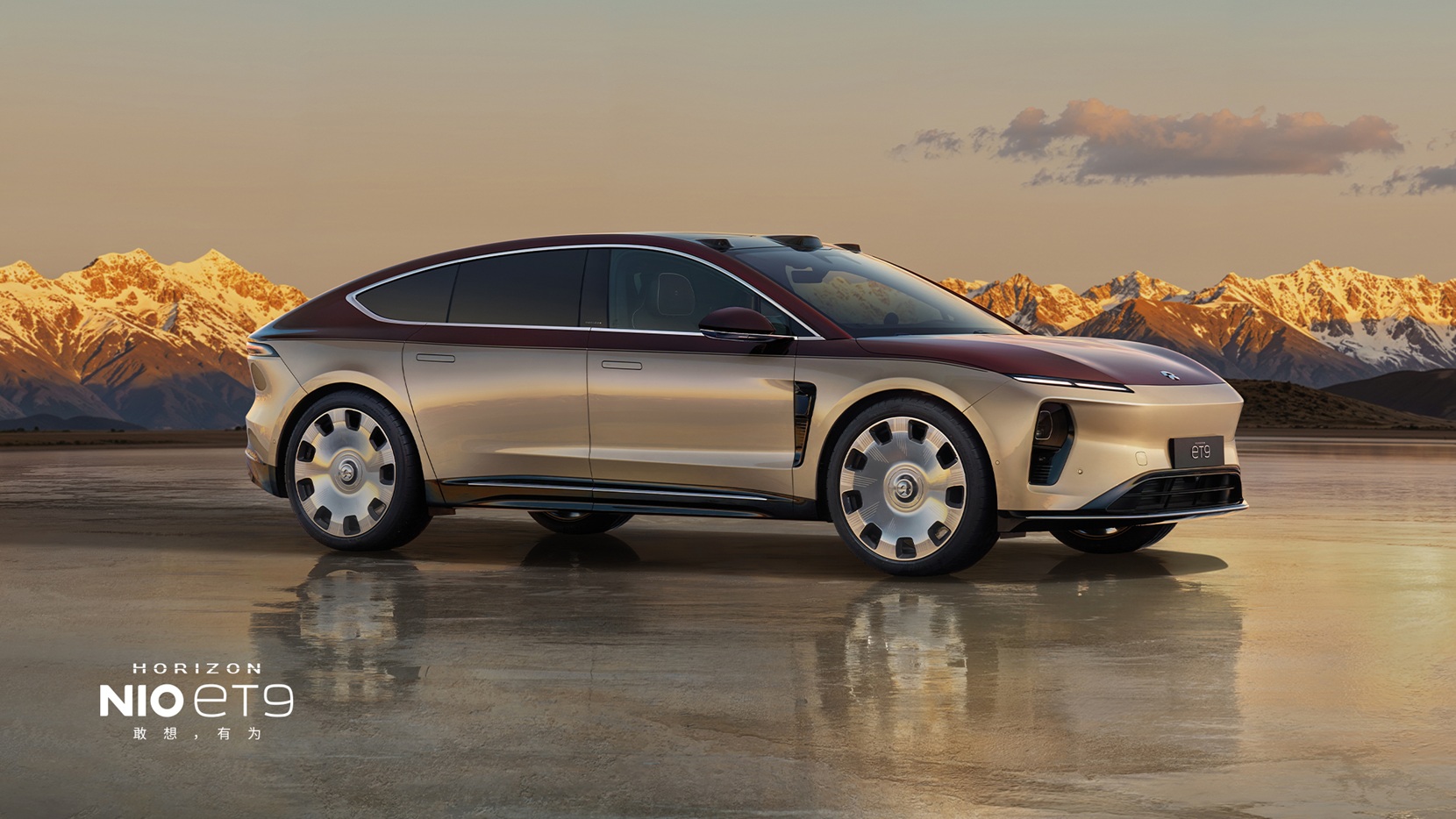
Credit:NIO
The Shanghai-based company posted third-quarter revenue of RMB 21.79 billion ($3.06 billion) with a year-over-year (YoY) rise of 16.7%, missing the Wall Street concensus estimates of RMB22.35 billion by 2.9%.
NIO's gross margin reached 13.9% in the third quarter, the highest level in three years, up from 10.7% a year earlier and 10.0% in the second quarter. Vehicle margin improved to 14.7%, driven by lower material costs per unit and higher contributions from premium models. The company expects fourth-quarter deliveries of 120,000 to 125,000 vehicles and revenue of RMB 32.76 billion to RMB 34.04 billion, both representing new quarterly highs.
The guidance marks a reduction from management's previous target of 150,000 units for the quarter, adjusted following the phase-out of government trade-in subsidies. Wall Street analysts remain cautiously optimistic, with Citigroup's senior equity analyst Jeff Chung maintaining a Buy rating and $8.60 price target, citing "decent" margin performance.
Profitability Improvements Offset Top-Line Weakness
NIO's third-quarter results revealed significant progress on cost control despite modest revenue growth. The company delivered 87,071 vehicles in the September quarter with a 40.8% YoY increase, meeting its guidance. Vehicle sales reached RMB19.20 billion, up 15.0% year-over-year and 19.0% sequentially.
Adjusted loss from operations for the third quarter narrowed to RMB2.78 billion, represent a 39.5% decrease from a year earlier and a 31.3% improvement from the previous quarter. The company generated positive operating cash flow and positive free cash flow during the quarter, marking a shift toward sustainable operations.
"Through continuous cost optimization and a greater contribution from higher-margin vehicle deliveries, our vehicle gross margin sequentially improved to 14.7% in Q3 2025. Our continued efforts on operational efficiency improvement across R&D, sales and service also drove a quarter-on-quarter reduction of over 30% in non-GAAP operating losses," NIO Chief Financial Officer (CFO) Stanley Yu Qu said in the earnings release.
Research and development expenses declined 28.0% year-over-year to RMB 2.4 billion, reflecting organizational optimization and reduced design development costs as products moved through different development stages. Selling, general and administrative expenses rose just 1.8% to RMB 4.2 billion.
Multi-Brand Strategy Drives Delivery Momentum
CEO William Bin Li highlighted the company's three-brand portfolio as a key growth driver. "The All-New NIO ES8 has set the fastest record for delivering over 10,000 units among BEVs priced above RMB 400,000 in China, while the ONVO L90 has remained the top-selling large BEV SUV for three consecutive months, and FIREFLY has quickly secured a leading position in the small smart high-end electric car market," Li said in the earnings release.
NIO delivered 40,397 vehicles in October, marking the third consecutive monthly record and the first time the company crossed the 40,000-unit threshold. As of October 31, the company had delivered 241,618 vehicles in 2025, with cumulative deliveries reaching 913,182.
The company completed a $1.16 billion equity offering in September, strengthening its balance sheet. Cash and cash equivalents, restricted cash, short-term investment and long-term time deposits stood at RMB 36.7 billion as of September 30.
Fourth-Quarter Guidance Reflects Subsidy Headwinds
NIO's fourth-quarter delivery guidance of 120,000 to 125,000 vehicles represents a 65.1% to 72.0% year-over-year increase but falls approximately 20% short of the company's previous target of 150,000 units. During the earnings call, Li attributed the adjustment to the phase-out of trade-in and replacement subsidies, which impacted the entire Chinese auto industry.
Revenue guidance of RMB32.76 billion to RMB34.04 billion implies a YoY increase range of 66.3% to 72.8%. The midpoint of RMB33.4 billion slightly exceeds Wall Street's current projection of $4.8 billion.
Li expressed confidence in achieving quarterly break-even in the fourth quarter despite the lower delivery volume, citing strong demand for high-margin products. "We are working closely with supply chain partners to ramp up production," he said, adding that the company expects to reach a monthly delivery rate of 50,000 units in the first half of 2026.
Analyst Views Mixed on Path to Profitability
Citi analyst Jeff Chung wrote in a Tuesday report that the third-quarter gross profit margin and bottom-line results were "decent," with margins beating estimates by half a percentage point. He maintained a Buy rating with an $8.60 price target.
The improved financial performance comes as NIO shifts strategy toward the mass-market premium segment, competing with Chinese peer Xiaomi and Tesla, according to Eugene Hsiao, head of China equity strategy at Macquarie Capital. The company continues to differentiate through its battery-swapping infrastructure, though this approach requires higher setup costs than traditional charging stations.
With 11 analysts rating the stock a hold and a consensus price target of $6.84, Wall Street appears cautious about NIO's near-term prospects. Whether the company can sustain margin improvements while navigating subsidy phase-outs and intensifying competition will determine its path to profitability.