

Mexico's parliament earlier this week approved legislation imposing tariffs as high as 50% on over 1,400 products from countries without free trade agreements with the country, prompting sharp criticism from Beijing. The measures, set to take effect January 1, 2026, will primarily impact Chinese goods ranging from vehicles to textiles and metals, marking a significant shift in Mexico's traditionally open trade policy.
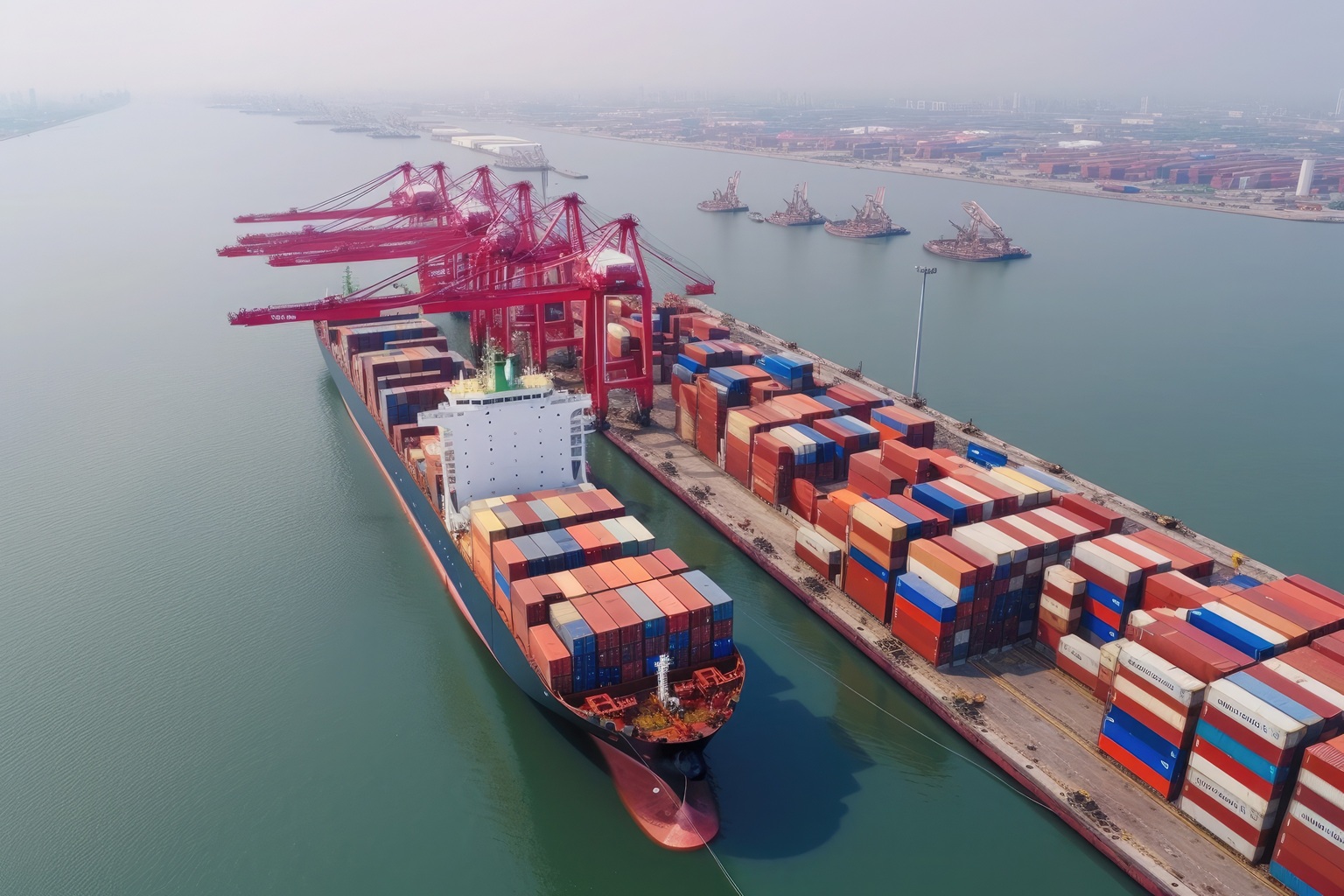
Credit:Freepik
Chinese goods will face the steepest impact, with the Commerce Ministry in Beijing on Thursday urging Mexico to "correct its erroneous practices of unilateralism and protectionism as soon as possible." The ministry said it would closely monitor implementation and assess the measures' impact, describing them as substantially harmful to China's interests.
The move comes as Mexico’s President Claudia Sheinbaum navigates high-stakes trade negotiations with Washington, facing pressure to align with U.S. efforts to restrict Chinese imports ahead of a critical 2026 review of the U.S.-Mexico-Canada Agreement (USMCA). While Sheinbaum denies any direct connection to President Donald Trump's tariff campaign, the timing signals Mexico's attempt to ease U.S. levies on Mexican steel and aluminum.
Mexico's Senate passed the legislation Wednesday evening with 76 votes in favor, five against and 35 abstentions, following approval by the lower chamber.
Sweeping Tariffs Target Asian Nations
The new levies will affect products from clothing to metals and auto parts from Asian nations without Mexican trade agreements, including China, South Korea, India, Thailand and Indonesia. Chinese vehicles will face 50% tariffs, among the steepest rates, targeting an industry that now commands 20% of Mexico's auto market, up sharply from minimal imports six years ago.
Mexico's finance ministry projects the tariffs will generate 52 billion pesos ($2.8 billion) in additional revenue next year. Lawmakers also approved measures empowering the Economy Ministry to adjust levies as needed.
Sheinbaum said the measure does not specifically target China but aims to increase local production and protect industries such as automotive and textiles. "Our interest is not to generate conflict with any country in the world; we have great respect for China," she said Thursday.
Growing Trade Tensions
China exported $71 billion more to Mexico than it imported last year, according to Chinese customs data. Mexico purchased $130 billion worth of Chinese products in 2024, second only to imports from the United States. The trade gap has widened significantly as Chinese exports surged while Mexican sales remained flat.
The legislation marks a departure for Mexico, which has embraced free trade more than nearly any other country in the Americas for decades. Manufacturers reliant on Chinese, Indian and South Korean inputs have warned of rising costs that could fuel inflation as Mexico's economy slows.
Beijing Issues Sharp Rebuke
China's Commerce Ministry spokesperson said Thursday that "we have always opposed unilateral tariff hikes in all forms", according to state news agency Xinhua. The ministry initiated a trade and investment barrier investigation against Mexico in September, which remains underway.
"We hope that the Mexican side will attach great importance to this matter and act prudently," the spokesperson said, adding that no trade agreement should come "at the expense of global trade development" or undermine China's legitimate interests. Beijing emphasized it values economic ties with Mexico and expects both sides to "properly manage differences" and "jointly maintain the overall bilateral economic and trade relationship."
While copper ore could be a potential retaliatory target, Mexico would likely find alternative customers given strong demand for the renewable energy metal.